
Drag It. This Is the Same Panel.
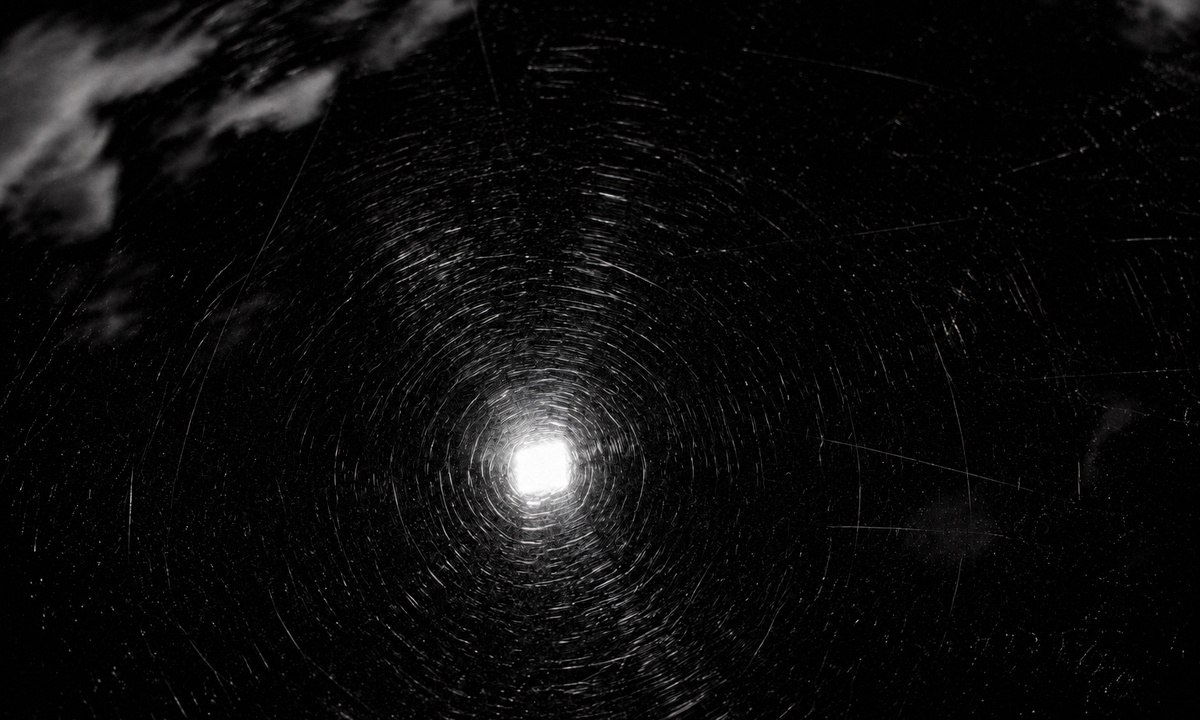
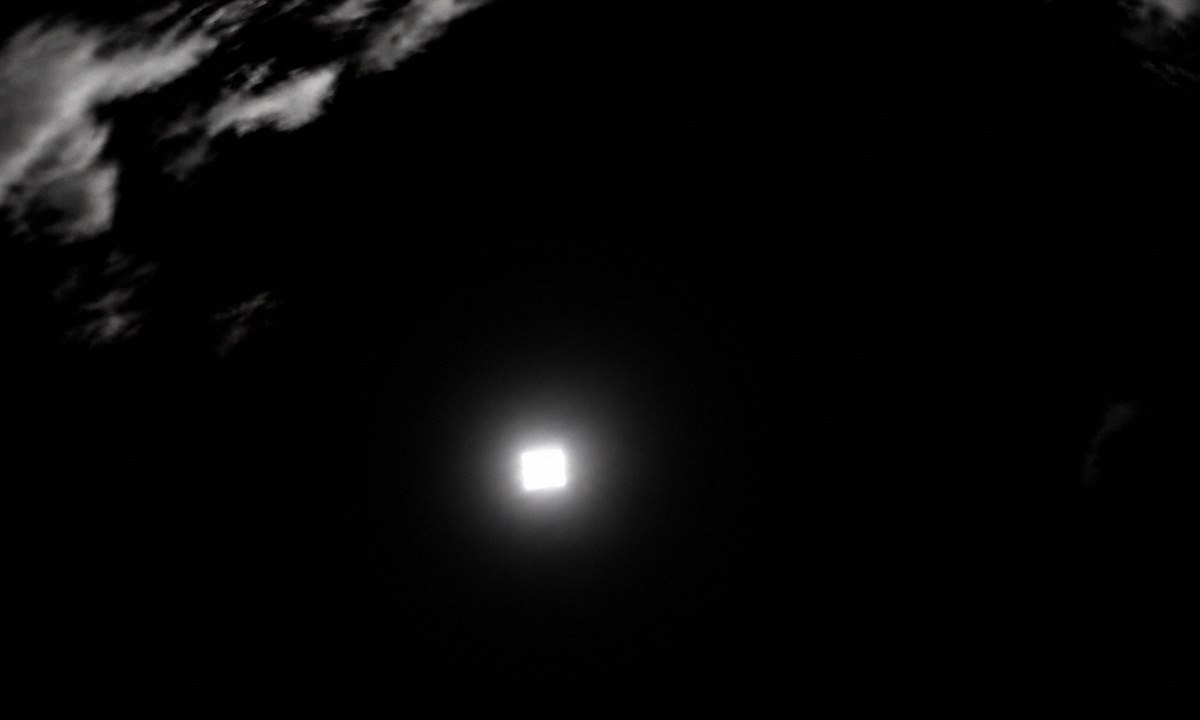
Real before and after photographs from completed jobs. Drag anywhere on the image, and pick a colour to see the same correction on that finish.
Paint correction is the only detailing service that permanently removes damage rather than covering it. A wax fills a swirl for a few weeks; a coating seals one in for years. Correction takes a microscopically thin layer of clear coat off the whole panel until the surface is level again — and once it is level, there is nothing left to scatter the light, which is why corrected paint reads as depth instead of haze.
Every level includes a free exterior detail package that cannot be downgraded. The booking form prices your exact vehicle before you pay anything, and the price may increase or decrease upon technician inspection of the vehicle prior to starting the service.
What Paint Correction Actually Is
Modern automotive paint is a stack. Bare metal gets primer, primer gets the colour coat, and over the colour sits a transparent clear coat that carries all of the gloss and all of the UV protection. Almost every defect you can see on a well-kept car — swirl marks from automatic car washes, buffer trails from a previous detailer, water spot etching, light scratches, the chalky oxidation that turns a red car pink — lives in that clear layer and nowhere else.
That matters, because the clear coat is the only layer a polisher ever touches. Paint correction is controlled, measured removal of clear coat. An abrasive polish on a machine pad takes the high ground down until it is flush with the bottom of the scratch, and the scratch stops existing — not because it was filled, but because the surface around it is now at the same level. Nothing is added to your car. Something defective is taken away.
1. The defect
2. The polish
3. The limit
Diagrams are illustrative cross-sections, not to scale. The point they are making is the one that decides your whole quote: everything correction can fix lives above the colour coat.
What a Swirl Mark Looks Like, and Why
Swirl marks are almost invisible in a garage and unmissable under direct sun or a single overhead light. That is not a trick of the eye — it is the geometry in the diagram above. Thousands of fine notches, all radiating around whatever light source is hitting the panel, each one bouncing a little light straight back at you. Move the light and the halo moves with it.
Illustration, not a photograph — it is showing you how light behaves, not a specific vehicle.
The usual causes are mundane and cumulative: automatic car washes with recycled brushes, a single dirty wash mitt, drying with the wrong towel, and — the one people are surprised by — a previous polish done aggressively and never refined, which leaves regular curved buffer trails known as holograms. Black, navy, dark grey and deep red paint show all of it most, because there is no light colour underneath to hide the scatter. That is why dark cars are the most common bookings on this page.
What Paint Correction Fixes — and What It Cannot
Correction removes
- Swirl marks and wash marring
- Holograms and buffer trails from a previous polish
- Oxidation and chalky, faded paint
- Light scratches that sit inside the clear coat
- Water spot etching and mineral staining
- Dull, hazy, flat-looking clear coat
- Light bird-dropping and bug etching caught in time
Correction cannot remove
- Deep scratches that have gone through the clear coat — if your fingernail catches in it, it is likely too deep to take out safely
- Rock chips down to primer or bare metal
- Clear coat that is already failing, peeling or cracked
- Dents, creases and cracked glass
- Sanding marks left under the clear coat by a previous respray
The honest framing, and the one in our Service Policy: correction reduces or removes swirls and scratches to the extent the paint safely allows, and no process can add paint back to a panel. Where a defect is too deep to remove, it can very often be made dramatically less visible by levelling everything around it — but we will say that out loud before we start, not after.
Not sure which level your paint needs? Book the one that looks right and the technician reassesses on arrival — the price can move down as easily as up, and it is confirmed with you before any machine touches the car.
What Paint Correction Costs
All three levels, priced. The right one depends on the paint — the walkaround confirms it before any work starts.
From $999
- Machine Polish$999
- 1-Step Paint Correction$1199
- 2-Step Paint Correction$1399
Prices are per vehicle, before 13% HST. Travel outside the free zone is shown before you pay anything — nothing is added on the day.
See your exact priceThe Three Levels, and Who Each One Is For
Machine Polish
For newer or well-kept paint with minimal wear, where the finish is fundamentally sound and you want depth and gloss rather than defect removal.
- Single-stage machine polish — deep gloss enhancement
- FREE Express Exterior package included — cannot be downgraded
- Removes only light scratches and swirls
- Will not remove real swirl marks or scratches — if your paint has those, step up to a correction
Typically 3 to 5 hours.
Book Machine Polish1-Step Correction
For a daily-driven car with normal swirl marks from washing — the level that fixes what almost everybody actually has. Removes 60–70% of defects in one corrective pass.
- FREE Executive Exterior package included — cannot be downgraded
- Ceramic wax sealant, paint decontamination & trim dressing included
- Decontamination & Clay Bar included
- Water Spot Removal included
- Exterior Trim Full Restoration included
Typically a half-day to full-day appointment, depending on paint condition.
Book 1-Step Correction2-Step Correction
For genuinely neglected paint, heavy holograms from a previous detailer, or dark colours where every remaining defect shows. Removes 85–95% of defects across two separate stages.
- FREE Executive Exterior package included — cannot be downgraded
- Compound stage, then a separate refining polish stage
- Ceramic wax sealant, paint decontamination & trim dressing included
- Decontamination & Clay Bar included
- Water Spot Removal included
- Exterior Trim Full Restoration included
Typically a full-day appointment, depending on paint condition.
Book 2-Step CorrectionA 50% deposit confirms the appointment; the balance is due on completion. The booking form prices your exact vehicle and your address on screen before you pay anything, and you can check your address first on the service area map.
Why a 2-Step Costs More Than a 1-Step
This is the question worth the most money on this page, so here is the mechanical answer rather than a marketing one. A 1-step is one pass over the car. A 2-step is two complete passes, with different products and different pads, done in sequence over every single panel.
The first pass of a 2-step is the cutting stage: a more aggressive compound on a firmer pad, removing more clear coat and therefore reaching the bottom of deeper defects. That stage does its job — and leaves its own faint haze behind, because anything abrasive enough to cut also leaves microscopic marks of its own. If a detailer stops there and hands the car back, you get exactly the curved buffer trails we described earlier. That is where holograms come from.
The second pass is the refining stage: a much finer polish on a soft pad, cutting nothing meaningful, doing one job only — erasing the marks the first stage left. It is what converts "the scratches are gone" into "the finish is flawless".
So the extra cost is not a bigger bottle of the same thing. It is a second set of pads, a second product, a second full machine session on every panel of the car, and the hours that go with it. A 1-step is the right answer when the paint does not need cutting that hard — which is most cars. A 2-step is the right answer when it does, and paying for one on paint that never needed it just removes clear coat you will want later.
What Every Correction Level Includes
None of these are upsells that appear at the end. Every one of them is inside the correction package, whichever level you book.
What the Appointment Actually Looks Like
- You book online and pay a 50% depositPick the level, add anything extra, choose your date. The deposit holds the slot — correction blocks out most of a working day, so it is not something we can hold on a maybe.
- We arrive at your address with the full setupDriveway, workplace parking lot or marina, anywhere in the GTA, wherever an outdoor tap and a working outlet within about 75 ft.
- Decontamination and a proper wash firstFoam, hand-wash, iron and bonded contamination removal, clay bar. Polishing a dirty car is how you create the defects you were paid to remove.
- Inspection, and the real conversationClean, dry paint under good light is the first time anyone can honestly assess it. If the level you booked is wrong in either direction, you are told then — and the price can move down as well as up.
- Machine polishing, panel by panelOne stage or two depending on the package. This is the slow part and the part you are paying for.
- Protection goes on the corrected finishCeramic wax sealant included, or a full ceramic coating if you booked one — correction and coating are best done on the same visit.
- Walkaround, then the balanceWe go over the car with you in daylight before anything is settled.
Correction and Ceramic Coating: the Pairing That Matters
A ceramic coating is transparent, so it locks in whatever is underneath it. Coat a swirled car and you have sealed the swirls under several years of very durable, very glossy protection. That is the single most expensive mistake in this category, and it is why every serious coating job is a correction job first.
Which leads to the piece of advice that saves people money most often here: if a coating is where you are heading, do not buy the correction separately. All three of our ceramic coating tiers — 3 year, 5 year and 8 year — already include a 1-step paint correction and polish in the price, along with the Executive Exterior detail and the decontamination prep. Buying a 1-Step Correction today and a coating next month costs you more than the coating would have cost on its own.
Correction on its own is still the right call when you are not coating: you want the paint right before selling or before a show, you have holograms to undo, or you protect with a sealant and wash it properly yourself. The trade-off is durability — a sealant is months, a coating is years.
Longer read: Paint Correction vs Ceramic Coating — which one do you actually need? and the complete guide to ceramic coating.
Being Straight With You About Price
Paint correction is a real decision, so three things you should know before you book rather than after. The booking form is where the figure for your own vehicle comes from.
The price can move on inspection, in both directions. Paint condition is genuinely not assessable from a photo or a phone call — dirt, water, snow and poor light all hide defects, and a defect that only appears once the car is clean was always there. The technician inspects the clean, dry car and confirms the number with you before the machine comes out.
Correction is finite. Every pass removes clear coat, and you only get so much of it over a car's life. This is an argument for doing it once, properly, at the right level — and then protecting the result — rather than a light polish every spring.
Nothing is added on the day. Your level, your vehicle and your address are all priced on screen while you book, before a deposit leaves your hands. There is no line item waiting for you at the end of the appointment.
Paint Correction FAQ
What is paint correction?
Paint correction is machine polishing that removes a microscopically thin layer of your clear coat so the surface is level again, which permanently removes the swirl marks, holograms, oxidation and light scratches cut into it. It is not a wax, a filler or a coating — nothing is added to the paint, a defective layer is taken away.
What does paint correction fix?
Paint correction fixes swirl marks, buffer trails and holograms, oxidation and chalky faded paint, light scratches, wash marring, water spot etching and dull, hazy clear coat. The test is depth: anything cut into the clear coat and shallow enough to polish through is a candidate.
What can paint correction not fix?
Paint correction cannot fix damage that has gone through the clear coat, and no polishing process can add paint back to a panel. Deep scratches that catch your fingernail, rock chips down to primer or metal, failing or peeling clear coat, dents and cracked glass all need paint or body repair instead.
Defects that are too deep to remove can often still be made far less visible by levelling the paint around them — but that is stated up front, not discovered at the end.
What can paint correction not fix?
Paint correction cannot fix damage that has gone through the clear coat, and no polishing process can add paint back to a panel. Deep scratches that catch your fingernail, rock chips down to primer or metal, failing or peeling clear coat, dents and cracked glass all need paint or body repair instead. Defects that are too deep to remove can often still be made far less visible by levelling the paint around them — but that is stated up front, not discovered at the end.
What decides the price of a paint correction?
Three things: which of the three levels your paint needs, the size of the vehicle, and what the technician finds on inspection. The booking form prices your exact vehicle before you pay anything.
Price may increase or decrease upon technician inspection of the vehicle prior to starting the service — in both directions, and always confirmed with you before any machine touches the car. Every level already includes a free exterior detail package, so the detail is never a separate line.
Machine polish starts at $999, a one-step correction at $1199 and a two-step at $1399, each confirmed after the technician inspects the paint.
What is the difference between a 1-step and a 2-step paint correction?
A 1-step is one corrective machine polishing pass that removes 60–70% of defects; a 2-step is a cutting pass followed by a completely separate refining pass and removes 85–95%. The 2-step costs more because it is two full passes over every panel with different compounds and different pads, roughly doubling the machine time on the car.
The refining stage is not optional polish on top — it is what removes the faint haze the aggressive cutting stage leaves behind. A cutting pass with no refining pass is exactly how holograms get created.
Do I need paint correction before a ceramic coating?
Yes — a coating is transparent, so any swirl left underneath is sealed in for the life of the coating. You do not need to buy it separately from us, though: all three of our ceramic coating tiers already include a 1-step paint correction and polish in the price.
How long does paint correction take?
A Machine Polish is typically 3 to 5 hours, a 1-Step Paint Correction is typically a half-day to full-day appointment, and a 2-Step Paint Correction is typically a full day, depending on paint condition. The car needs to stay where it is for the whole appointment.
Can you do paint correction at my house or workplace?
Yes — we are fully mobile, so correction happens in your driveway, at your workplace or at the marina, anywhere in the Greater Toronto Area. There is no shop to drop the car at. Two things come from the address rather than the van: an outdoor water tap and a working electrical outlet, both within about 75 feet of where the vehicle will be parked. You confirm both when you book.
Does rain or cold weather cancel the appointment?
No — paint correction is carried out in rain, snow and cold using shelter, heating and controlled-environment equipment appropriate to the job; a mobile service could not run through a Canadian winter otherwise. If conditions genuinely make the work unsafe or unachievable, the attending technician makes that call and nothing is charged to you.
Does paint correction damage your paint? How often can it be done?
Correction removes clear coat, so it is finite and should be done deliberately rather than every year. That is exactly why the level is matched to the paint on inspection instead of defaulting to the most aggressive option, and why protection afterwards matters — a coating or sealant on a corrected finish is what stops you needing to correct it again soon.
Is paint correction worth it before selling a car?
It is one of the few detailing services that visibly changes a buyer's first impression from across a parking lot, because swirl-free dark paint reads as a car that was looked after. Whether the return justifies the spend depends on the vehicle's value — we would rather tell you a Machine Polish is enough than sell you a 2-step you do not need.
Mobile Paint Correction Across the GTA
We are a fully mobile detailer, not a shop with a mobile van as a sideline. That is the whole operating model: we come to you in Toronto, Mississauga, Vaughan, Markham and across the Greater Toronto Area, bringing every machine and product the work needs. All we ask of the address is an outdoor tap and a working outlet within about 75 ft. For a full-day correction that matters more than it sounds — your car spends the day in your own driveway instead of a queue at a shop, and you never lose a day to drop-off and pick-up.
Check your address on the service area map, see every package and add-on explained on the Services page, and get the figure for your own car from the booking form. There is more background in choosing a mobile detailer and winter road salt protection.
Get Your Paint Correction Price
Pick your level, add anything extra, and lock in your date with a deposit. The price is confirmed with you after inspection, before any machine touches the car.